The longest-running question of the NBA offseason was answered Friday, and for the second time in franchise history, the Miami Heat watched LeBron James choose somewhere else.
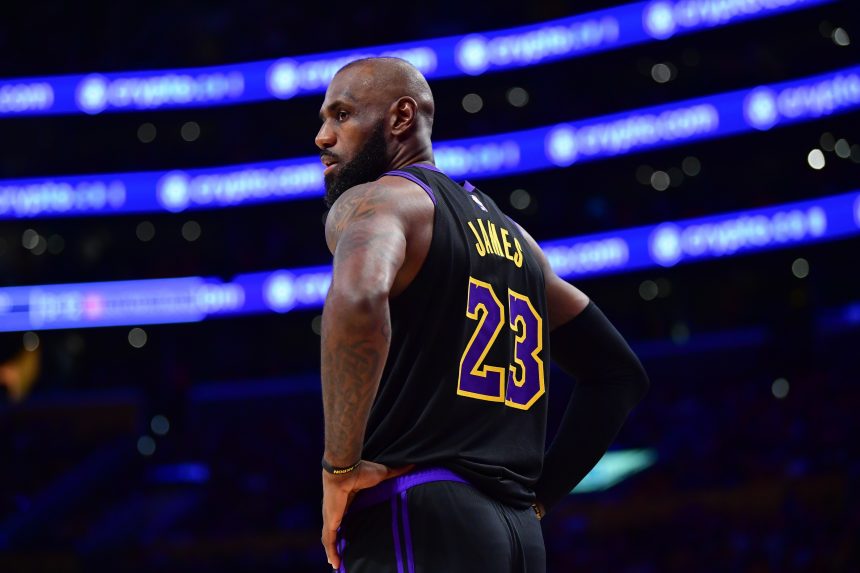
James announced in a lengthy thread on his X account that he is signing with the Philadelphia 76ers, ending a free agency saga that had narrowed to Cleveland, Miami and Philadelphia and had kept much of the league’s offseason business frozen for nearly a month.
ESPN’s Shams Charania reported the terms, citing Klutch Sports CEO Rich Paul: a two-year, $8 million deal with a player option on the second season.
For the Heat, who had climbed from long shot to betting favorite over the past two weeks, the news landed as both a disappointment and a starting gun. The front office that spent July waiting on one man’s decision no longer has a reason to wait on anything.
A minimum deal that money couldn’t explain
The contract terms matter for how Miami should process this outcome. James is signing for the veteran minimum, which pays just under $3.9 million in the first season, one season after making $52.6 million with the Los Angeles Lakers. Philadelphia sits so tight against its first-apron hard cap that the 76ers will need a small salary dump just to fit the deal before it becomes official.
That detail closes off one convenient explanation for Heat fans. Miami, itself hard-capped at the first apron after the Giannis Antetokounmpo blockbuster, could realistically offer James something in the range of a minimum or exception-level deal — a constraint covered here when Paul first put Miami near the top of his whiteboard.
Philadelphia was under the same restrictions. Nobody outbid the Heat, because there was no bidding to win. In his announcement, James wrote plainly that money was not the consideration, framing the choice instead around one more legitimate run at a fifth championship.
Why Miami’s best pitch became its weakness
If the money was equal, the rosters were not, and that is where the honest accounting of Miami’s loss begins. Philadelphia enters next season with Tyrese Maxey, newly acquired Jaylen Brown and Joel Embiid, and all three worked to recruit James, who joins a group where he can be the fourth-most burdened player on many nights rather than the engine.
Miami could not offer that arrangement, and the reason is structural. The Heat’s most glaring roster need — a primary playmaker to organize the offense around Antetokounmpo and Bam Adebayo — was also the exact role James would have been asked to fill.
The Miami Herald‘s Anthony Chiang, reflecting on the outcome Friday, argued that Miami offered James the cleanest basketball fit of any suitor precisely because of that vacancy, then observed that it may have been “too good of a fit for a 41-year-old LeBron” — a role demanding more offensive lifting than a player entering his 24th season should be signing up for.
The workload math supports the concern. James remained remarkably productive in 2025-26, averaging 20.9 points, 7.2 assists and 6.1 rebounds per game across 60 games. But sustaining that as the featured creator over a full season and playoff run is a different proposition than delivering it in bursts alongside three All-Star-caliber teammates.
Philadelphia asked him to be a finishing piece. Miami, by the very shape of its roster, would have needed him to be a foundation.
A farewell with warmth
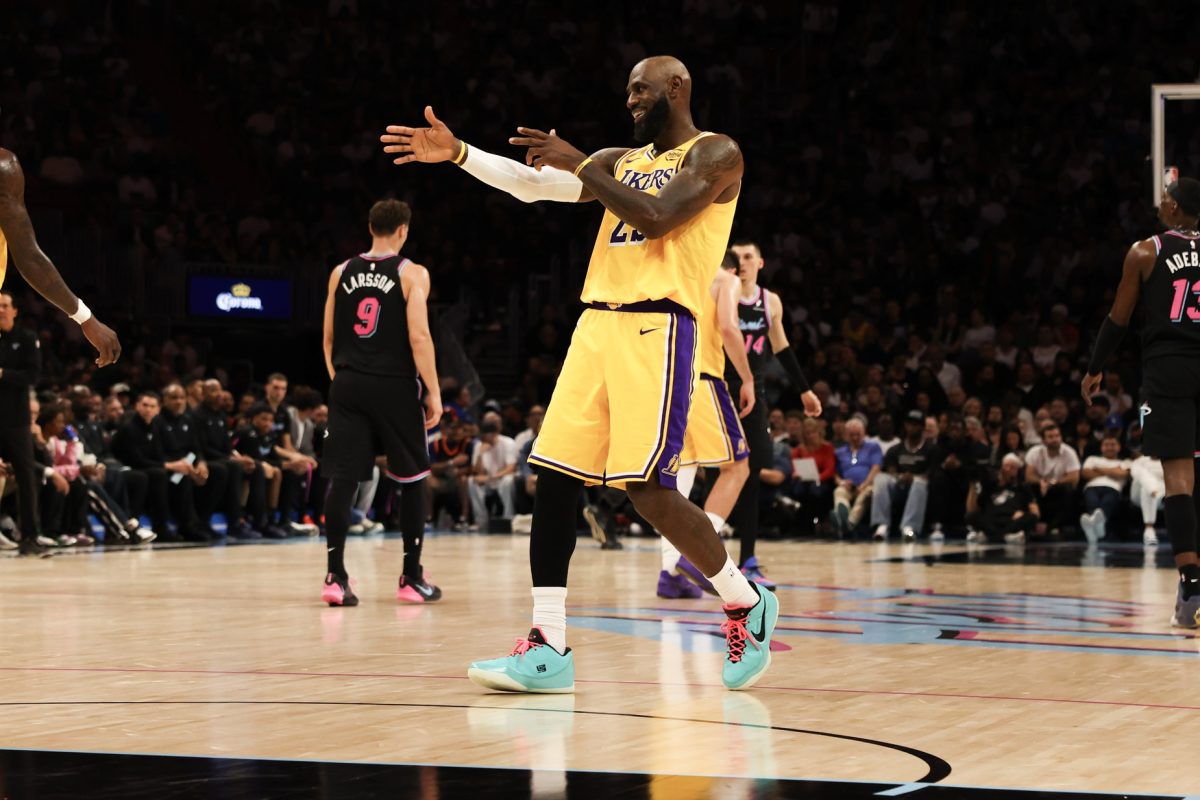
James did not leave Miami without a word. He closed his announcement by thanking Los Angeles and then turning to the two franchises he passed over, writing, “Miami I’ll forever love and Northeast Ohio will always home!”
It was a softer goodbye than the one in 2014, when he left the Heat after four straight NBA Finals trips to return to Cleveland, but the Sun Sentinel’s Ira Winderman framed Friday’s outcome as James once again opting against Miami, a description that will sting a fan base that spent the past week believing the reunion was genuinely close.
The affection is likely mutual and genuine. Pat Riley said this month that his relationship with James had thawed, and Paul went out of his way to praise the Heat president just two days ago.
None of it changed the basketball calculus, which is its own kind of lesson about how this front office should evaluate the miss: Miami did not lose a relationship battle or a bidding war. It lost a roster comparison.
Where the Heat turn now
The pivot began within hours. The Herald’s Barry Jackson and Chiang published an in-depth look at Miami’s options Friday afternoon, with Jackson writing that the piece examines the Heat’s search for a playmaker, another shooter and another big man, and adding, “Lots of work still to be done.”
Those three categories are now the offseason’s to-do list, and the market for filling them is about to move quickly. There are a number of free agency dominoes across the league — including decisions involving players such as DeMar DeRozan and Jonathan Kuminga — were being held up by James’ choice, meaning options that were theoretical on Thursday become actionable this weekend.
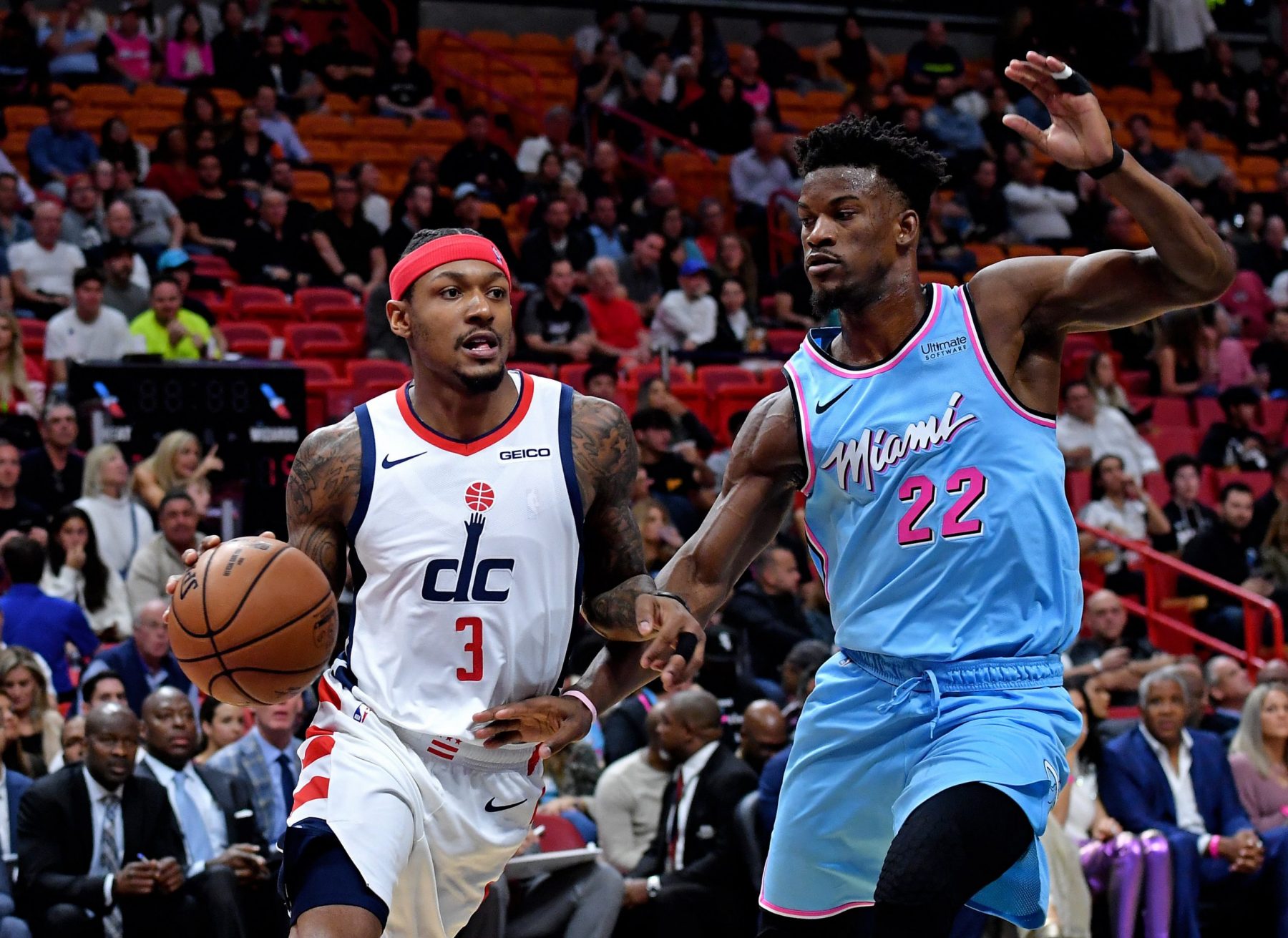
What the pivot will not include is a panic move involving the roster’s second star. Jackson wrote Friday that he would not trade Adebayo even given the glaring need for an elite guard, arguing that the pairing of Antetokounmpo and Adebayo — an unconventional two-big core by the standards of how contenders are currently built — has earned an extended run before anyone concludes it needs restructuring.
That stance aligns with how the front office has operated since the trade: adjust the supporting cast, not the foundation. The supporting-cast work is real, though.
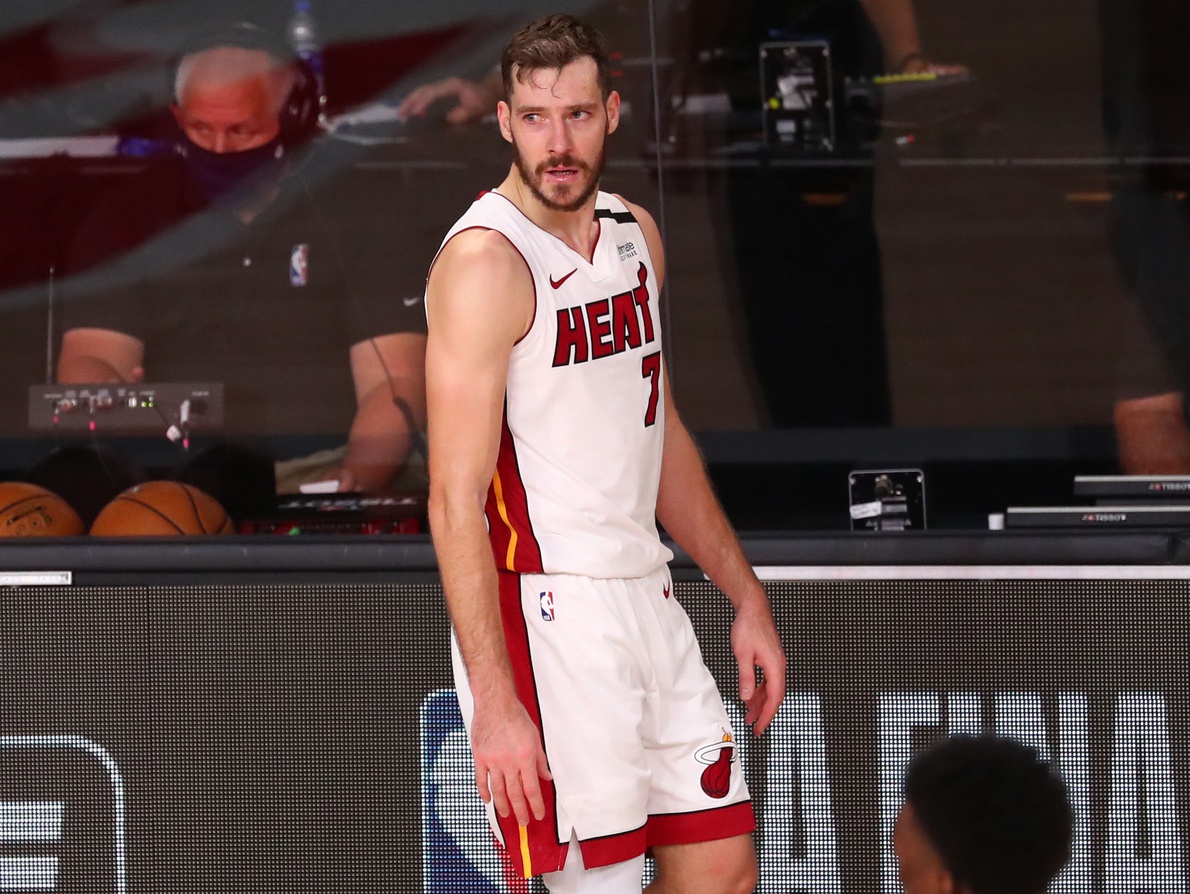
Miami’s need for size behind and beside Adebayo predates Friday — the case for a veteran center like Jonas Valanciunas was laid out here before the decision — and the playmaker question that made Miami attractive to James in the first place has not gone anywhere. The Heat entered LeBron watch with a hole at lead guard, and they exit it with the same hole, minus the one free agent who could have papered over it by himself.
There is one more quiet benefit to Friday’s resolution. The Heat, per reporting throughout the process, conducted this pursuit without surrendering assets or making preemptive moves, which means the full toolkit — the exceptions available under the apron, the young roster pieces, the future draft capital — remains intact for whatever Riley does next.
The month of waiting cost Miami time, not flexibility. The Antetokounmpo era in Miami was never going to be defined by whether a 41-year-old legend joined it for a season or two.
It will be defined by how well the front office builds the connective tissue around its two stars, and that project, on hold since the Fourth of July weekend, finally resumes today.