The Miami Heat’s last meaningful offseason decision has quietly turned into a standoff, and over the past 48 hours both sides made the kind of choice that narrows a negotiation rather than advances it.
Miami decided the one asset that makes a Klay Thompson trade work is not available. Dallas decided it has no interest in the buyout Miami has been waiting on since midsummer.
Neither decision is a refusal to do business. Together, though, they leave the Heat’s pursuit of the four-time champion with no obvious mechanism left.
What’s being reported on Thompson
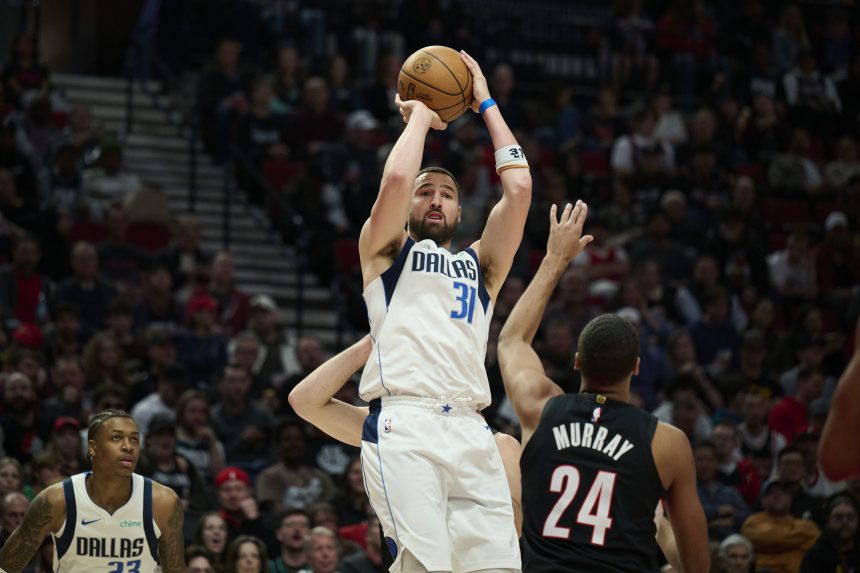
ClutchPoints insider Brett Siegel reported Friday that the Mavericks have had Thompson available in trade conversations since the end of May without anyone engaging them seriously, and that no extensive talks have taken place. The more consequential detail for Miami concerned Dallas’s posture on the alternative route.
“The Mavericks do not hold interest in buying Thompson out,” Siegel wrote, adding that the front office would rather convert the expiring contract into something tangible, whether second-round picks or another asset entirely.
Thompson himself has not raised the subject of a buyout with the organization, which matters because a veteran pushing for his release is usually the thing that forces a team’s hand.
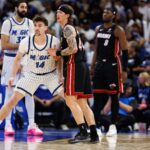
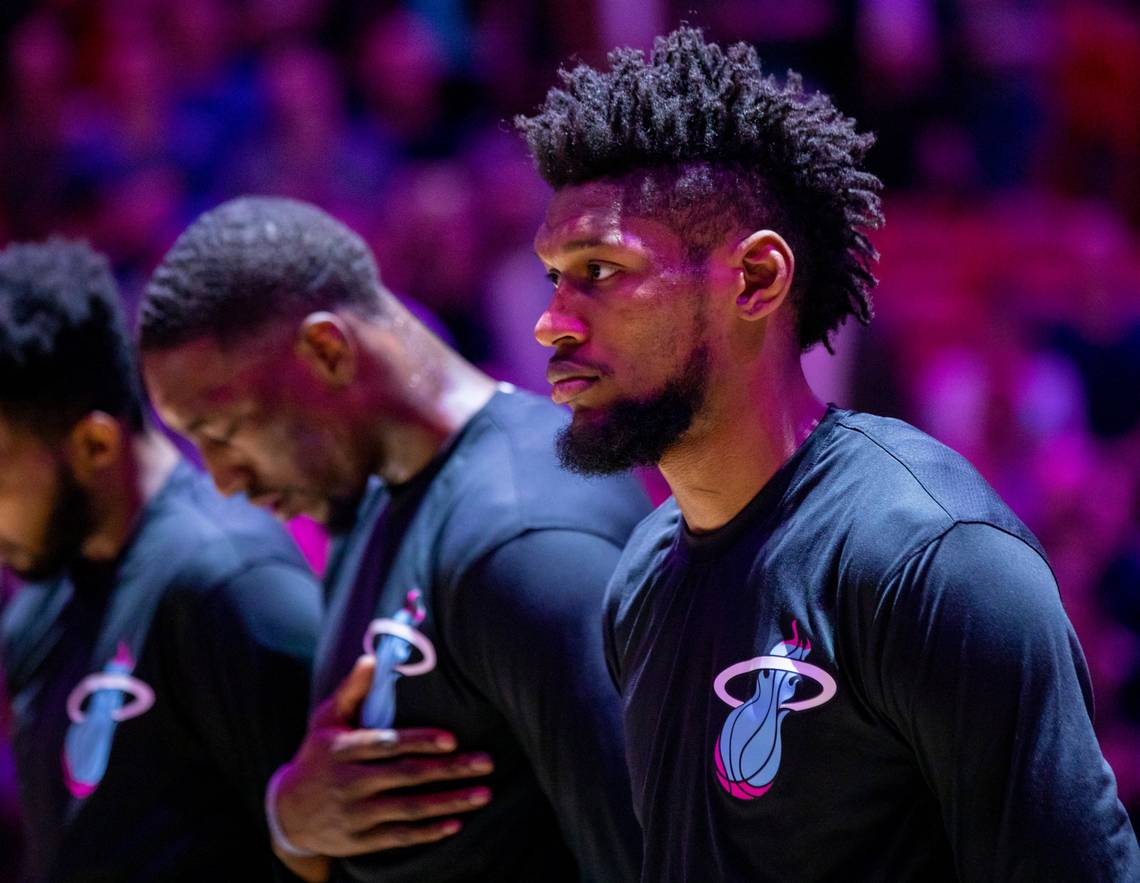
The Heat weighed moving Jovic earlier in the offseason while mapping out their LeBron James pursuit and ultimately decided against it. The 23-year-old forward, drafted 27th overall in 2022, is now one of the few young players left in Miami after the Giannis Antetokounmpo blockbuster emptied the pipeline.
Why Miami’s Jovic decision closes the easiest door
The Jovic framework was never a creative idea so much as an arithmetic one. Thompson is on an expiring deal worth roughly $17.5 million, and Jovic’s number sits close enough that the salaries reconcile without a third team or additional filler.
That is the entire reason his name kept surfacing. Take Jovic off the board and Miami is left without a matching salary in that range.

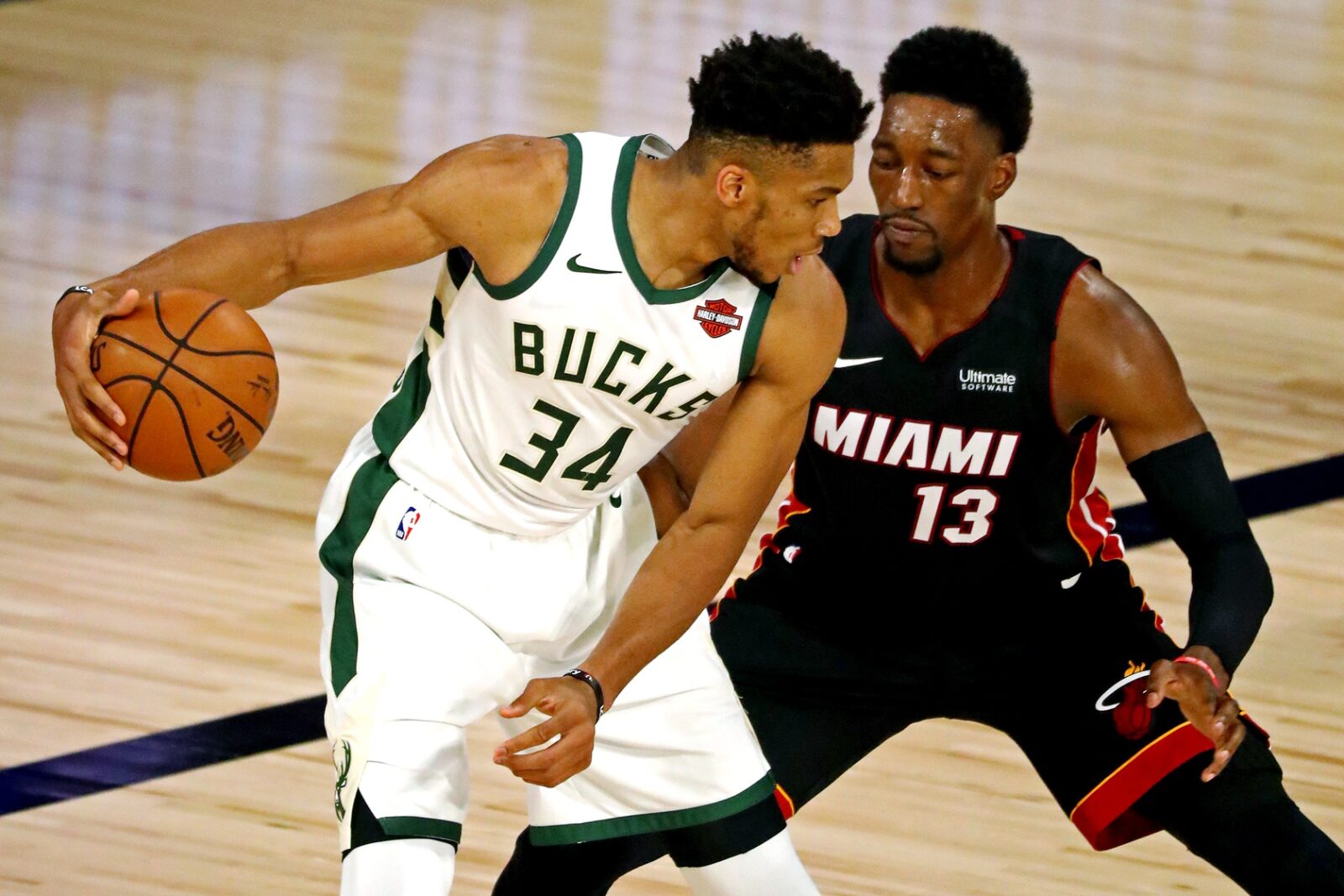
The Heat sent Tyler Herro, Kel’el Ware, Jaime Jaquez Jr. and Kasparas Jakucionis to Milwaukee for Antetokounmpo, which removed every mid-sized contract that might otherwise have done the job. What remains is a roster of minimum deals and two max salaries, with nothing in between that Dallas would want.
There is a reasonable case for Miami’s reluctance. Jovic has yet to play 50 games in a season, but he is also the only player on the roster young enough to still have a second contract’s worth of upside, and trading him for a 36-year-old on an expiring deal is the kind of move that looks defensible in October and indefensible by February.
The buyout Miami is waiting on has no seller
The Heat’s plan, to the extent one exists, has been to wait. Miami holds three open standard roster spots and has been content to leave them open, on the theory that Thompson eventually reaches free agency and signs for a fraction of his current salary.
The Heat appear willing to stay patient specifically to preserve that possibility. That plan assumed Dallas would eventually prefer cap relief to an asset.
Siegel’s reporting says the opposite: The Mavericks want to convert Thompson into draft capital, and a buyout converts him into nothing. Absent Thompson pushing for his release — which has not happened — Dallas has no reason to move off that position before the deadline, when an expiring contract becomes genuinely useful as salary ballast.
The fallback has also disappeared. Bradley Beal, connected to Miami for weeks, returned to the Los Angeles Clippers on a two-year deal, which removes the most credible alternative shooter from the board. Spoelstra has been pointed about not organizing his summer around this
What Thompson would actually give Giannis and Bam
The version of Thompson Miami would be adding is not the one who shared a backcourt with Stephen Curry, and the numbers make that unambiguous. Across 69 games last season he averaged 11.7 points, 2.1 rebounds and 1.4 assists per game in 21.7 minutes, starting only eight times and shooting 39.3 percent from the field, per Basketball-Reference.
Read past the topline, though, and the fit argument sharpens considerably. Fully 72.4 percent of his shot attempts last season came from behind the arc, comfortably a career high, and 93.1 percent of his made 3-pointers were assisted.
He did not attempt a single dunk all year. Thompson has been reduced to one thing, and that one thing is standing still and shooting when someone else creates the advantage.
For most teams that would be a limitation. For a team building around a downhill force who collapses defenses on every drive, it is close to the ideal complementary skill.
He shot 42.3 percent on corner 3-pointers, which is precisely the shot Antetokounmpo generates most often, and his 38.3 percent mark from deep actually exceeded his overall field goal percentage — the signature of a player who has stopped taking anything else.
Miami’s spacing question is real. Losing Herro and Norman Powell in the same summer stripped the roster of its two highest-volume perimeter threats, and Thompson is the rare available veteran whose game requires no on-ball equity whatsoever.
What is actually left
Powell’s own account of his departure, given to Mark Medina of Fadeaway World, is a useful reminder of how constrained Miami has been all summer. Powell said the sense he got was blunt: “If you want Giannis, you have to take Bobby Portis.”
Absorbing Portis hard-capped the Heat at the first apron, and Powell noted that keeping him would have required Andrew Wiggins opting out for less money and Jovic being moved — the same player Miami has now declined to trade twice. Portis, for his part, pushed back publicly, telling Powell to “keep my name out your mouth brother.”
That is the shape of Miami’s offseason. Every remaining path runs through a player the front office will not move or a decision another team will not make.
The Heat are not out of the Thompson race, and holding roster spots open costs them little between now and camp. But the honest reading of the past two days is that Miami’s preferred outcome now requires Dallas to reverse a stated position, and nothing in Siegel’s reporting suggests the Mavericks feel any urgency to do so.