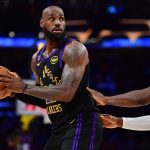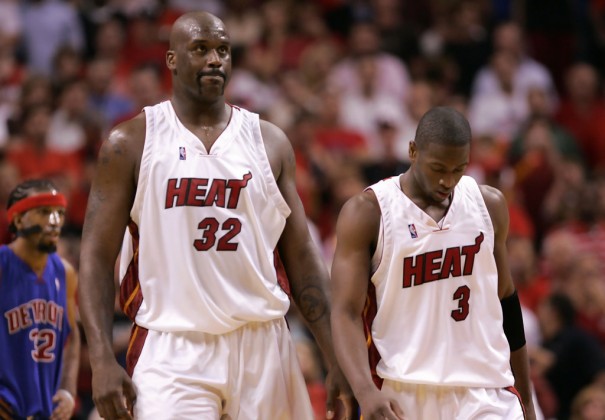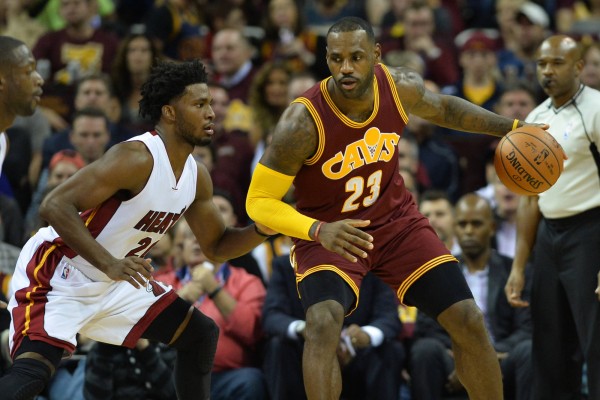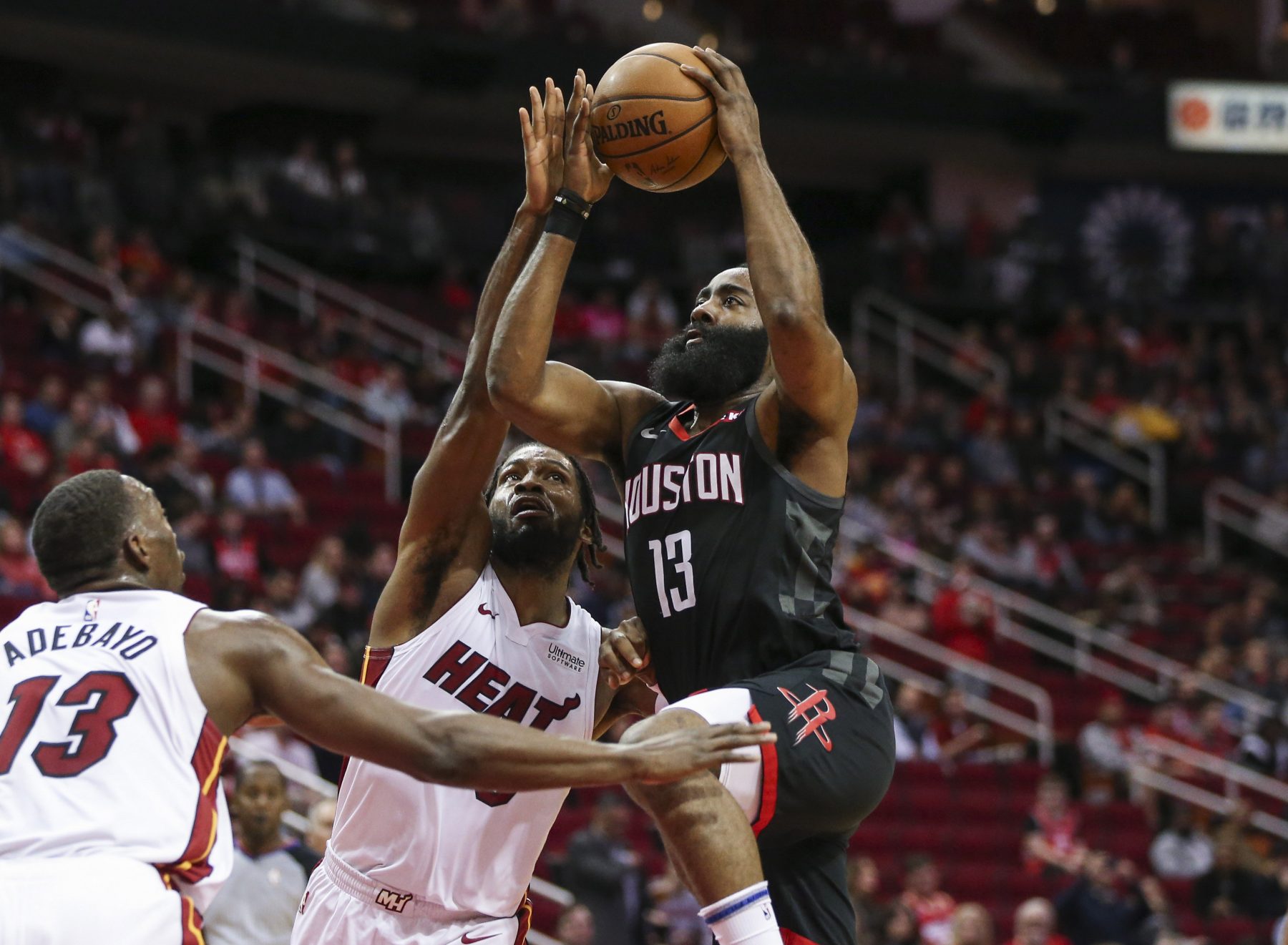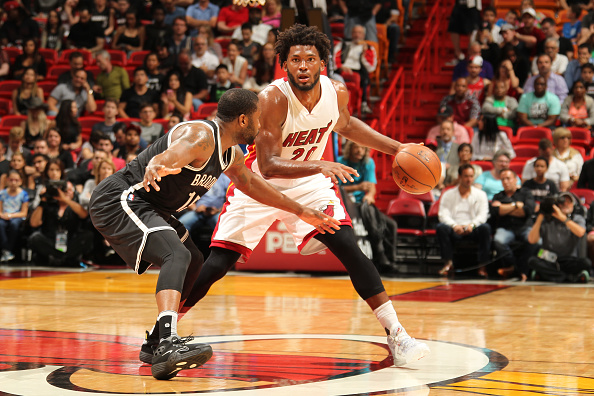
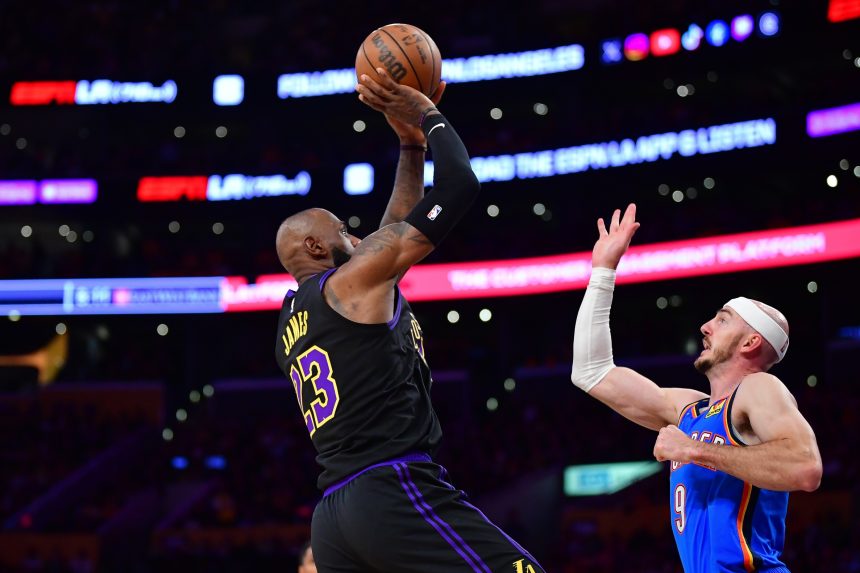
The Miami Heat spent the past week letting themselves dream, and on Saturday, one of the league’s most connected reporters poured cold water on it.
In his Fourth of July intel roundup, Marc Stein of The Stein Line wrote that a growing number of teams chasing LeBron James now view a return to Cleveland as the scenario to beat — a shift that reframes a free-agency race Miami had quietly worked its way into.
That framing lands differently in South Florida than it might elsewhere. Days after trading for Giannis Antetokounmpo, the Heat had become a fixture in the LeBron conversation, boosted by agent Rich Paul’s own podcast pitch a few days ago. The newest reporting suggests the momentum is drifting north to Ohio instead, and the betting markets have moved with it.
The Cavs have separated from the field
For a stretch earlier in the week, the story was Golden State. Then it wasn’t.
As of Friday, the Cavaliers had become the favorite to land James on Kalshi’s next-team market at $0.38 per share, while the Warriors slid from $0.74 earlier in the week down to $0.22. The Philadelphia 76ers, energized by their Jaylen Brown trade, climbed into the mix behind them.
The logic behind Cleveland’s rise is more sentimental than financial. The Cavaliers do not have clean cap flexibility, but James spent 11 seasons there and delivered the city its only championship in 2016, and the idea of closing his career where it began carries a pull that no spreadsheet captures.
Stein’s reporting essentially puts a number to a feeling that has been building all week: the people negotiating against Cleveland increasingly expect Cleveland to win.
Where that leaves the Heat
Miami is still, technically, a frontrunner. In the same reporting cycle, ESPN’s Shams Charania has grouped the Cavaliers, Warriors and Heat as the heavy favorites for James.
Being named in that group matters. It is also where the honest read starts to diverge from the hopeful one.
On the same Kalshi board that has Cleveland at $0.38, the Heat sit at just $0.13, per CBS Sports — ahead of only the “Lakers or retire” outcome among the live options.
The market is telling a clear story: Miami is a real name on the list and a distant longshot to actually land him. The distance between “in the conversation” and “in the lead” is the entire subplot for Heat fans right now, and this week it widened rather than narrowed.
The cap math is still the catch
None of this changes the mechanical problem that has followed the LeBron-to-Miami idea from the start. The Heat can realistically offer something in the neighborhood of the mid-level exception, not anything close to market value, and doing so would tighten their hard-cap situation in ways that ripple across the roster.
The full breakdown of how the money would have to work — and what it would cost the rest of the depth chart — is laid out in our earlier look at why the LeBron-to-Miami math is so hard to pull off, and nothing this week made it easier.
Paul’s pitch, as he framed it on his “Game Over” podcast, was never about the paycheck. It was about the roster and the tax situation — the argument that a title runway next to Antetokounmpo and Adebayo is worth a discount.
That sell got harder when Miami’s supporting cast thinned. Norman Powell’s departure to the Bulls cost the Heat exactly the kind of floor-spacing shooter a James addition would lean on, which is a big reason Miami has kept circling the guard market since.
Would LeBron even fit next to Giannis and Bam?
There is a basketball question underneath the nostalgia, and it deserves to be said plainly. James is 41 and coming off the quietest statistical season of his career.
He averaged 20.9 points and 6.1 rebounds per game in the regular season, both among the lowest marks he has posted since his rookie year. He looked far closer to his old self in the playoffs, averaging 23.2 points, 6.7 rebounds and 7.3 assists per game while shooting 45.9 percent from the field as the Lakers upset the Rockets before bowing out to the eventual champion Thunder.
The fit is where it gets complicated. A frontcourt built around Antetokounmpo and Adebayo already raises spacing questions, since neither is a high-volume floor-stretcher, and importing a ball-dominant forward who no longer shoots at volume from deep does not obviously solve that.
James at this stage is a connective playmaker and a closer, not a night-in, night-out engine — which is precisely what a team with two established stars might want, but only if the shooting around all three is right.
That is a roster Miami would have to build after spending the discount to sign him, not before. Cleveland’s guard-heavy group arguably needs the bridge forward James now is more cleanly than Miami does, which is another quiet point in the Cavaliers’ favor.
The clock and the calendar
Anyone waiting on a quick resolution should probably settle in.
Charania has reported there is no timetable for a decision, describing a player who is in no rush, is weighing everything and is prioritizing a genuine chance at meaningful, competitive basketball over money — to the point that James is willing to take a minimum deal for the right contender.
He is expected to let rosters fill in before he commits, which means the teams still in the race may spend the next stretch reacting to one another as much as to him.
The calendar adds one more wrinkle for Miami specifically. The league’s moratorium lifts Monday, July 6, which is also the day the Heat’s Antetokounmpo trade officially processes.
Only once that deal is on the books does Miami’s exact cap picture — and the precise size of any offer it could extend to James — come fully into focus. In other words, the Heat cannot make their cleanest pitch until the same day the rest of the league can start finalizing deals of its own.
The Giannis trade already reset Miami’s ceiling; it moved the Heat’s championship odds from 30-1 to 18-1 and vaulted them into the East’s second tier behind the Knicks and Celtics. That is the backdrop that made the LeBron dream feel plausible in the first place. It is also, ironically, part of why the dream is so hard to finance.
For now, the honest read is the one the market is already pricing in. Miami earned the right to dream big the moment it traded for Antetokounmpo, and a LeBron reunion would be the kind of swing this front office has never been shy about taking.
But the reporting and the odds are pointing the same direction this week, and it is not toward South Beach. The Heat remain a name on LeBron James’ board. They are no longer the name to watch.